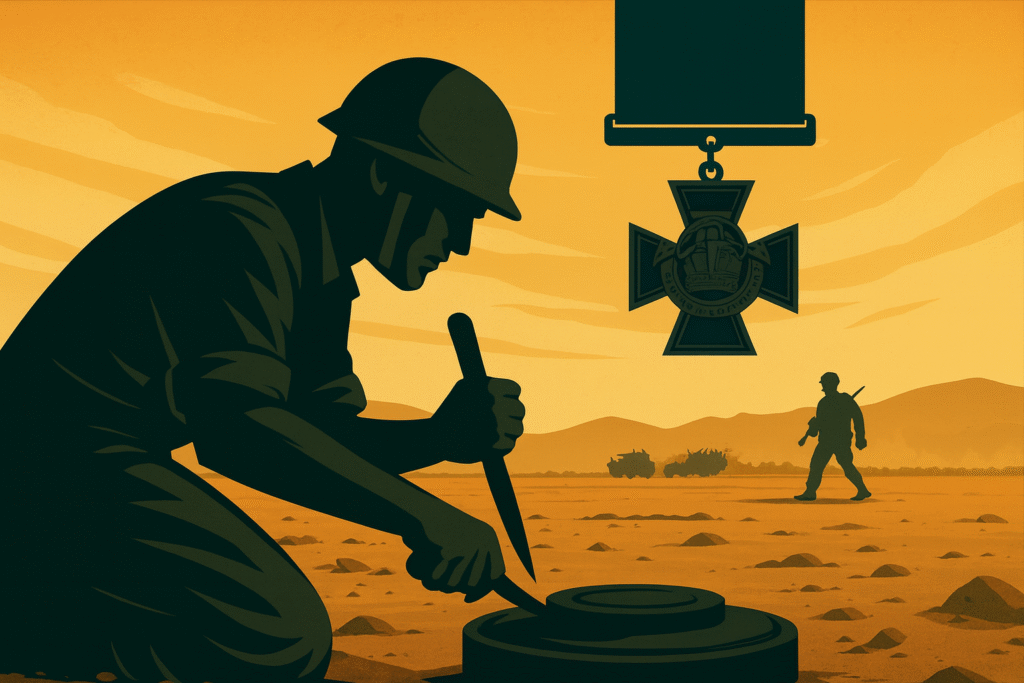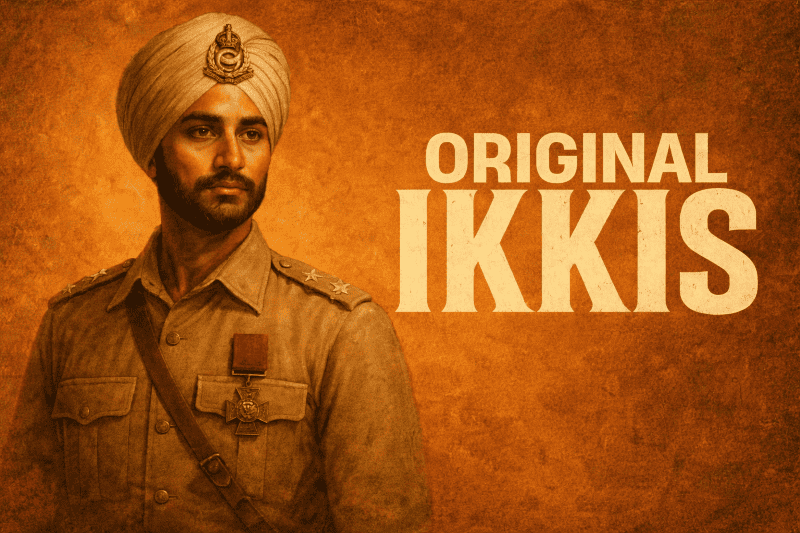
The original Ikkis story. The story of forgotten braveheart Lt Karamjeet Singh Judge.
They said he was a rebel.
He said he had a cause.
A Rebel With a Cause: The Early Life of Lt Karamjeet Singh Judge
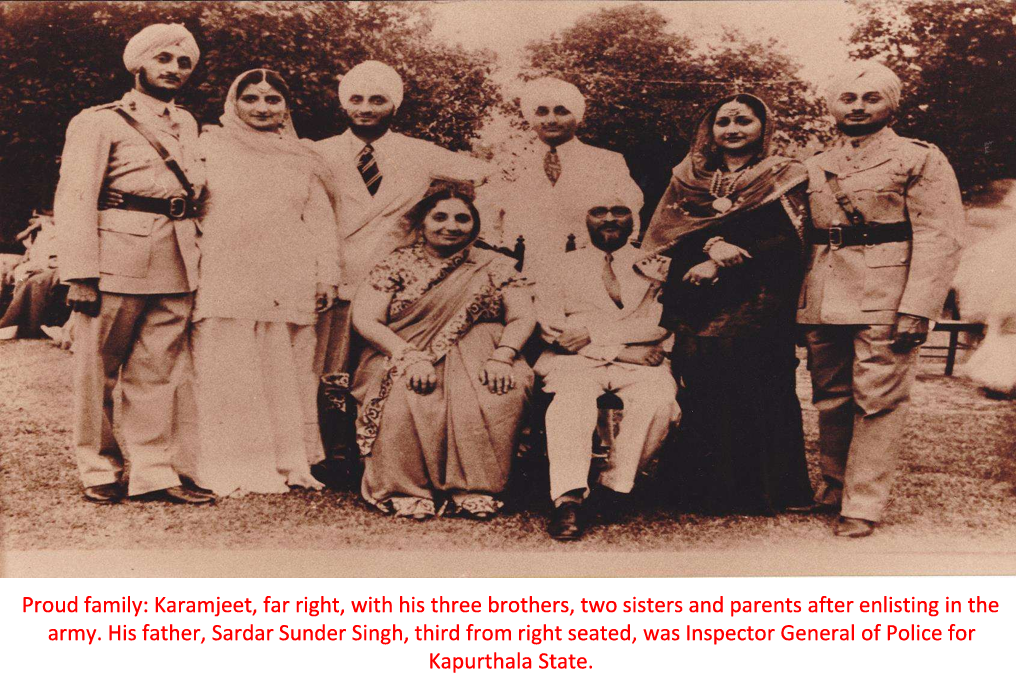
Long before the jungles of Burma whispered his name in awe, Karamjeet Singh Judge was a young Sikh from Kapurthala who refused to live life on someone else’s terms. Born into a respected family – his father was police chief of Kapurthala state -, educated and articulate, he should have been an unlikely candidate for a soldier. Protest marches, political fire, an elder brother who saw the Army as “a bloody business” — everything about his upbringing pointed away from military life. But fire attracts fire. And Karamjeet was born carrying a spark.
As one senior officer recalled later, “He seemed young and keen… very cheerful… a man of principles who stood by his word.”
Even as a teen, he spoke with the cadence of a public-school Englishman and the conviction of an Indian nationalist. In the princely state of Kapurthala, he joined protests, argued politics fiercely, and fought with his elder brother Ajeet — an artillery officer — over India’s freedom and the meaning of loyalty. Their clashes were so bitter that they barely spoke until a chance meeting healed the rift.
Yet, despite his nationalist leanings, the battlefield called him, not politics. He joined the Army not to serve the Raj, but to test himself, to chase danger, to prove something—perhaps to the world, perhaps to himself.
“I want a decoration.”
It sounds almost arrogant when read on paper. Yet when Karamjeet confided this to his company commander, Major Whitmarsh-Knight, it was not boastful—it was boyish, honest, almost painfully transparent.
And as fate would have it, opportunity came quickly.
On the night of 17 March 1945, as the 4/15th Punjab Regiment prepared to assault the fortified approaches to Myingyan, the young Lieutenant was selected to lead the Jat Company’s attack at dawn. His company commander later wrote that Karamjeet “seemed very pleased at this decision.”
He had wanted a chance.
Now he had it.
The Battle of Myingyan: When a 21-Year-Old Led From the Front
The Burmese battleground was a nightmare made real—steep-sided ravines, hidden bunkers, machine-gun nests, bamboo thickets, and the deadly calm of a waiting enemy. The Japanese had spent months turning Myingyan into a fortress.
What followed became one of the fiercest small-unit actions of the Burma campaign.
With tanks rumbling beside him, Karamjeet advanced into a hell of machine-gun fire. When concealed bunkers halted the armour, he ran ahead alone, guiding the Shermans under lethal fire.
One tanker remembered seeing through the dust a Sikh officer who appeared “completely impervious to the enemy’s fire… the cynosure of all eyes.”
At least three times, Major Whitmarsh-Knight lost sight of him, only to glimpse his slight figure darting between scrub and hillocks, bullets snapping around him like angry bees.
This was leadership at its rawest:
No speeches.
No heroics.
Just action.
How Lt Karamjeet Singh Judge Became the Original Ikkis
When the infantry was pinned down by a nest of bunkers, Karamjeet crawled forward through a storm of fire to lead the tanks in close. Machine guns raked the ground, grenades burst around him, yet he walked as if charmed, each step a defiance of destiny.
During one of these charges, he spotted a bunker spitting fire at the infantry. Taking a section charge in hand, he guided his men forward. Whitmarsh-Knight wrote: “He was within ten yards of the enemy when the automatic opened fire. I saw him fall, shot in the chest.”
Even as life ebbed out of him, Karamjeet Singh Judge used his final breath to urge his men onwards.
Within minutes, the bunker was smashed, and the Japanese line began to crumble.
By the end of five brutal hours, ten enemy bunkers lay destroyed, many personally assaulted under his leadership.
The battle for Myingyan was effectively won. And the young Sikh lieutenant had given his life to break the spine of a fanatical defence.
He was just 21 years old — “ikkis” — the original ikkis whose story history never told.
Voices After the Smoke Cleared
Those who saw him fight were at a loss for words.
His commanding officer wrote, “He dominated the entire battlefield by his numerous and successive acts of superb gallantry.”
Capt Hugh Baker – the commander of tank squadron which supported – called him “the bravest soldier I have ever seen.”
Maj Whitmarsh-Knight, his company commander wrote simply:“His courage was beyond all imagination.”
On 3 July 1945, the London Gazette announced the posthumous award of the Victoria Cross to Lieutenant Karamjeet Singh Judge — the highest honour for battlefield bravery.
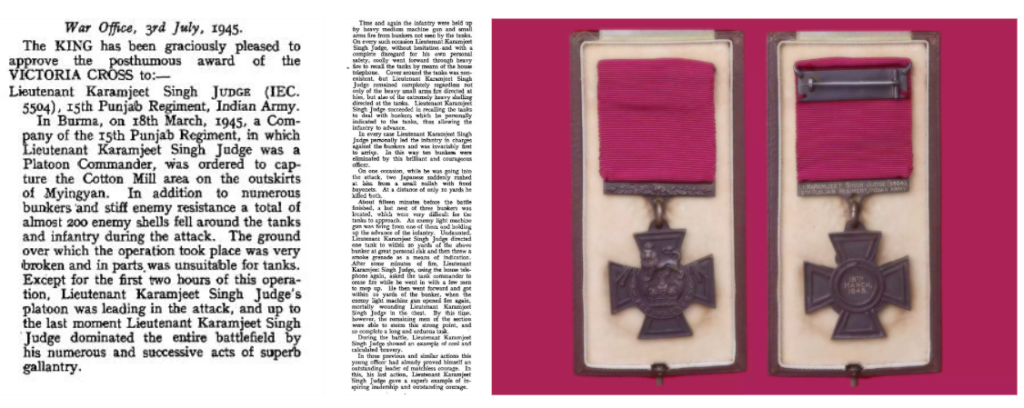
His father received the medal in Delhi later that year, standing tall and dignified, holding in his hands not just a medal… but the echo of a life cut short.
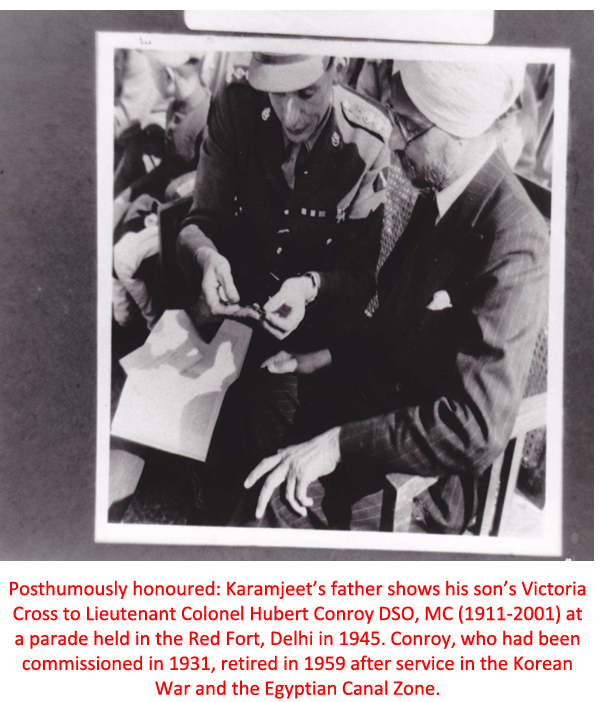
Why History Forgot Him — Lost Between India and Pakistan
Here is the hard truth.
Karamjeet Singh Judge was India’s original “ikkis” — just 21 when he fell.
Yet unlike the heroes we commonly remember:
He is forgotten in India because his battalion — the 4/15 Punjab Regiment — went to Pakistan after Partition
He is forgotten in Pakistan because he was a Sikh.
And in that tragic space between two nations, a young lion’s memory slipped through the cracks of history.
But the battlefield never forgets courage.
And Myingyan — that stretch of ravine and dust and fire — remembers him still.
Echoes That Still Whisper
Karamjeet Singh Judge was only 21.
A rebel. A son. A soldier.
And for one furious day in Burma, a legend carved in fire.
His story is not just an entry in military history.
It is a reminder that courage is often born from contradiction — that the same spirit that questions authority can also walk unflinching into fire when the moment calls.
In the jungles of Burma, his voice still echoes: “I will go first.”
And he did.
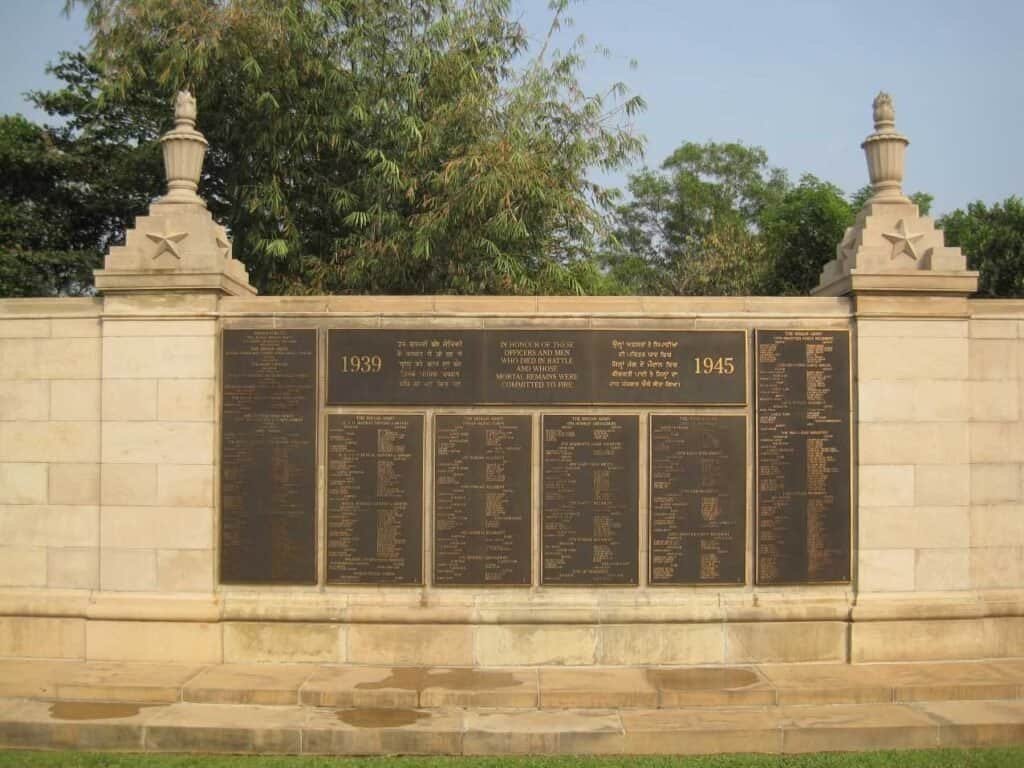
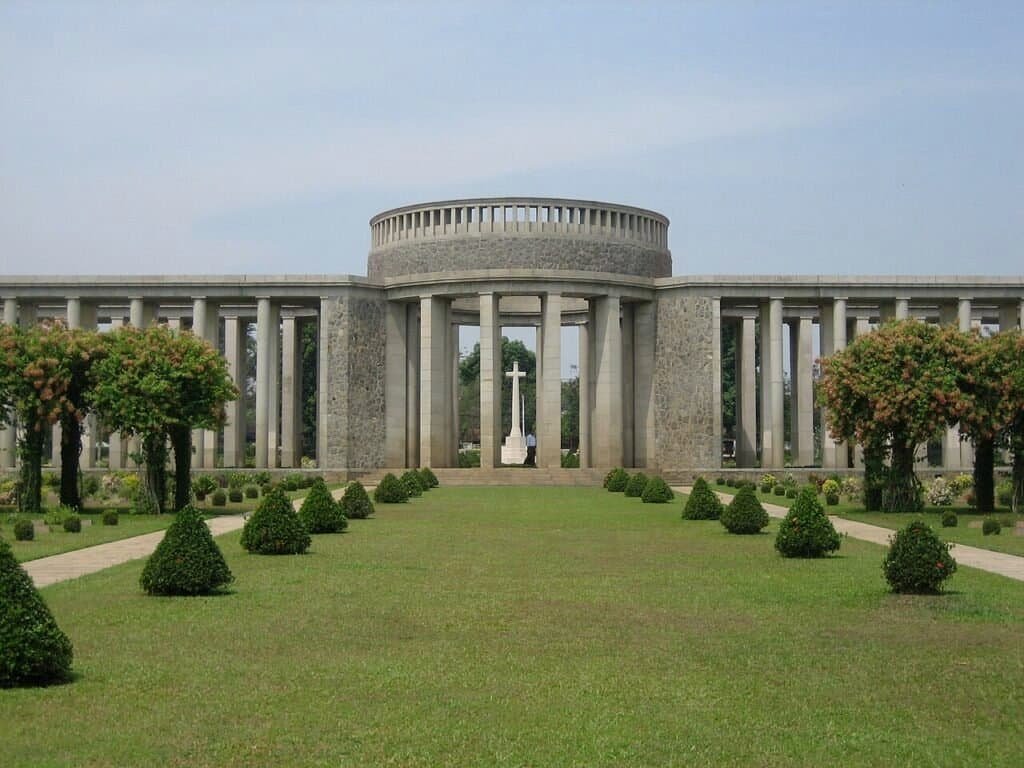
Lt Karamjeet and other fallen brave men were cremated in Burma. They are now honoured in Taukkyan Cremation Memorial in Taukkyan War Cemetery on the outskirts of Rangoon with a Memorial plaque in English, Hindi, and Gurmukhi.
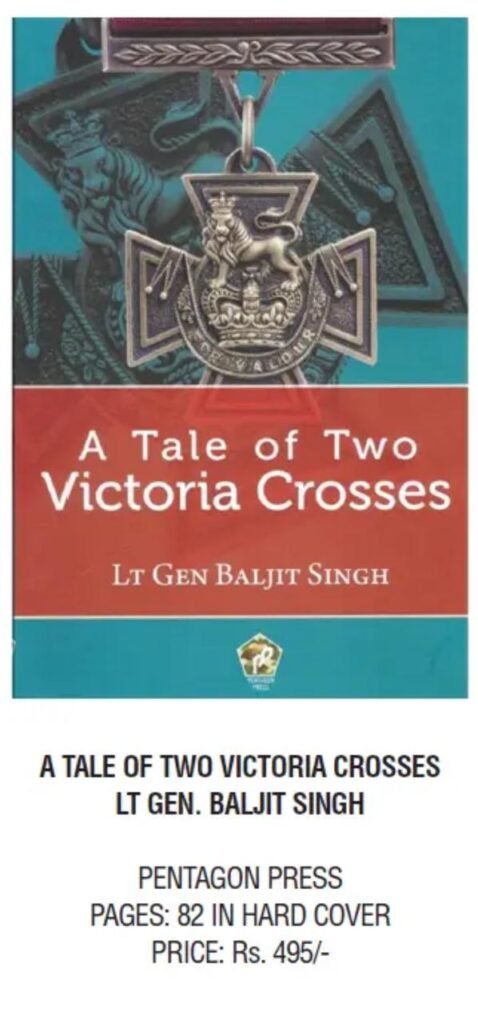
Acknowledgement and further reading – Fauji Tales acknowledges the inputs taken from16 Jan 2024 issue of Victoria Cross online, UK. For further reading, you may check out this book
For more such stories of courage and valour on the battlefield, check out this – Echoes of Bravery
Have a story to share?
If you or someone you know has lived a moment of courage, sacrifice, or quiet heroism in uniform, we invite you to contribute to Fauji Tales.
Thank you for reading this story on Fauji Tales.
If it moved you, inspired you, or reminded you of someone who has worn the uniform with pride, please share it with others.