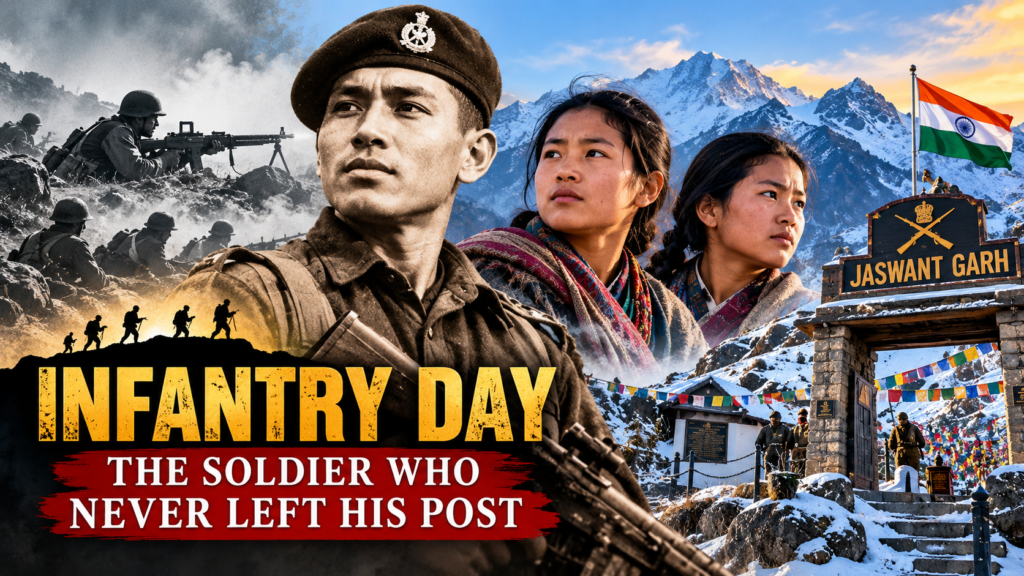
Have you heard of the soldier who, according to legend, continues to guard his post even after death? His name was Rifleman Jaswant Singh Rawat, Maha Vir Chakra (MVC), of the 4th Battalion, Garhwal Rifles.
Today, on Infantry Day, Fauji Tales salutes every foot soldier of the Indian Army — the men who hold the ground, face the enemy at close quarters, and stand between the nation and danger.
Today, let us remember a young rifleman whose story has grown beyond the battlefield into one of the most enduring legends of the Himalayas.
The Battle That Began the Legend
On 17 November 1962, during the Sino-Indian War, Indian troops fought fiercely at Nuranang in what is now Arunachal Pradesh.
Amid the intense fighting, Rifleman Jaswant Singh Rawat and his fellow soldiers displayed extraordinary courage against Chinese forces. His gallantry at Nuranang earned him the Maha Vir Chakra, one of India’s highest wartime gallantry awards.
But his story did not end on the battlefield.
What His Maha Vir Chakra Citation Records
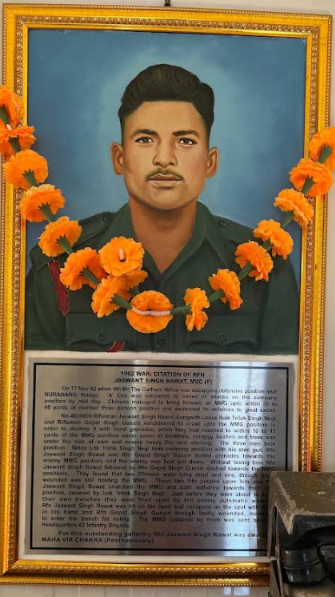
The official account of his gallantry is remarkable in its own right.
As Chinese forces attacked Indian positions near Nuranang, an enemy medium machine gun threatened the defenders. Rifleman Jaswant Singh Rawat and two fellow soldiers volunteered to silence it.
Crawling forward under intense enemy fire, the three soldiers approached the gun position and hurled grenades, killing two Chinese soldiers and seriously wounding another. Jaswant then seized the machine gun and began returning towards his own position.
As he approached the Indian trench, enemy automatic fire struck him in the head, killing him while he still held the captured weapon.
His Maha Vir Chakra was awarded posthumously in recognition of his exceptional courage and initiative under intense enemy fire.
This is the documented gallantry at the heart of the story — the courage of a young rifleman who pressed forward against a dangerous enemy position, knowing the risks.
And around this act of bravery, a remarkable legend would grow.
Sela and Nura: The Two Girls in the Legend
The folklore surrounding Jaswant Singh Rawat has two other names at its heart — Sela and Nura, sometimes spelt Noora, two young Monpa women said to have helped the rifleman during the battle.
According to the popular tale, when the situation became desperate, Jaswant remained at his position while Sela and Nura came to his aid. They supposedly carried ammunition and supplies, helping him keep his weapons supplied as he moved between different firing positions.
The continuous firing, the story goes, created the impression that a much larger Indian force was still holding the ground.
Then came tragedy.
In some versions of the story, Sela was killed during the fighting, while Nura was captured by the Chinese. Other versions differ in their details. Over time, the two women’s names became inseparable from the legend of the rifleman who refused to abandon his post.
The landscape itself is often woven into the story. Popular accounts associate Sela Pass with Sela and Nuranang Falls with Nura. However, historians have questioned whether the women’s story is historically verifiable and whether the place names originated from them.
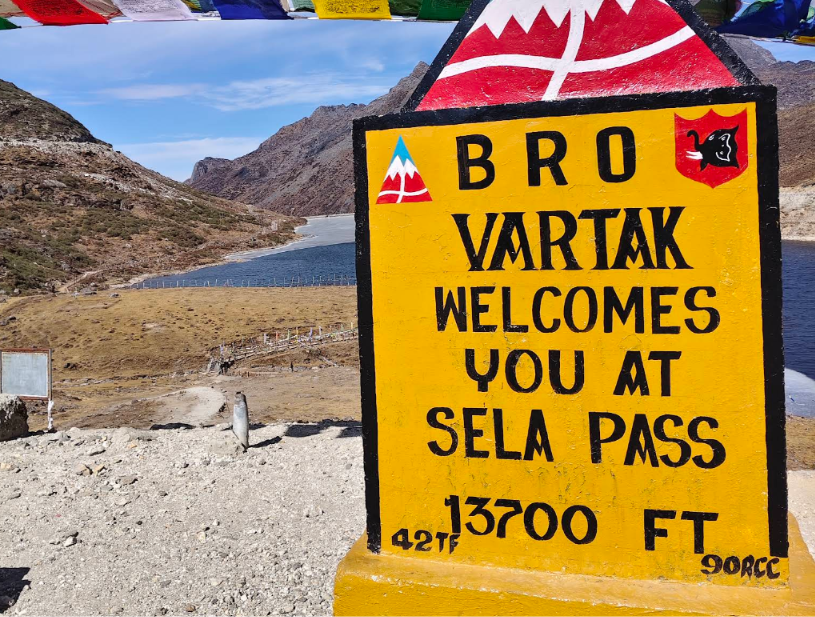
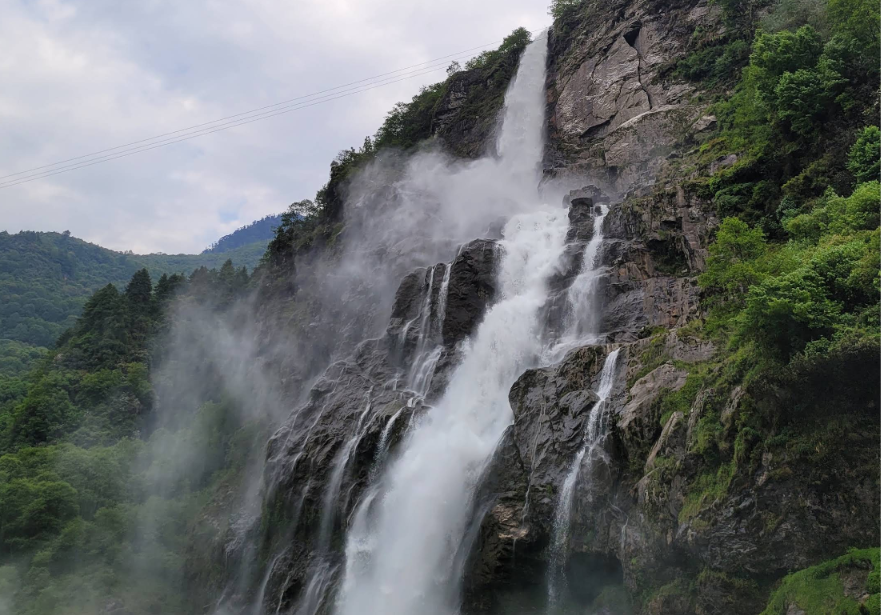
Were Sela and Nura real women whose courage was never fully recorded? Did their story grow around older local names and traditions? The available evidence does not conclusively settle these questions.
What remains is a powerful piece of Himalayan folklore — one that remembers not only a soldier’s determination but also the bond between the people of the mountains and the soldiers who defend their homeland.
Where History Meets Legend
Another part of the legend says that Jaswant fought on alone for an extraordinary period, moving between firing positions to make the enemy believe that a much larger force was defending the post.
The story grew with every retelling. The solitary rifleman became a symbol of defiance, while Sela and Nura came to represent the courage of ordinary people caught in extraordinary circumstances.
It is important to distinguish these popular accounts from the documented military record. The precise details of the extended solo defence and the roles attributed to the two women are not established to the same degree as Jaswant Singh Rawat’s gallantry and his award.
Yet folklore has its own place in collective memory. It tells us how people remember courage, sacrifice and the refusal to surrender.
The Sentry Who Never Left
Today, Jaswant Garh, near Sela Pass, is associated with the memory of Rifleman Jaswant Singh Rawat. Soldiers and visitors continue to pay tribute to him, and stories about the customs observed in his honour have helped sustain the legend across generations.
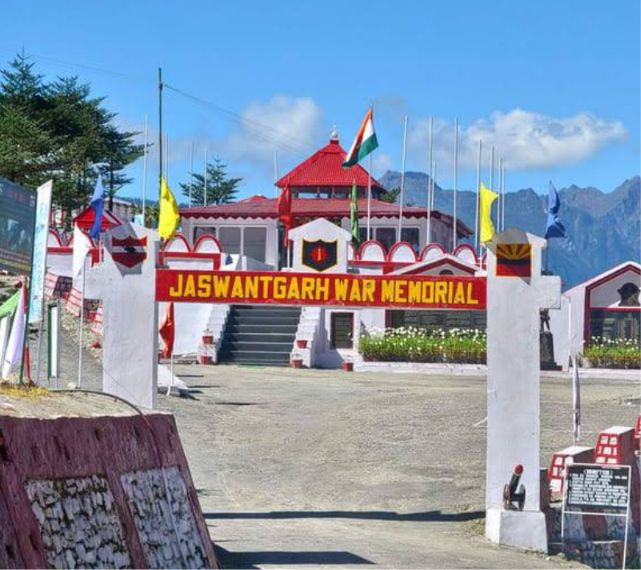
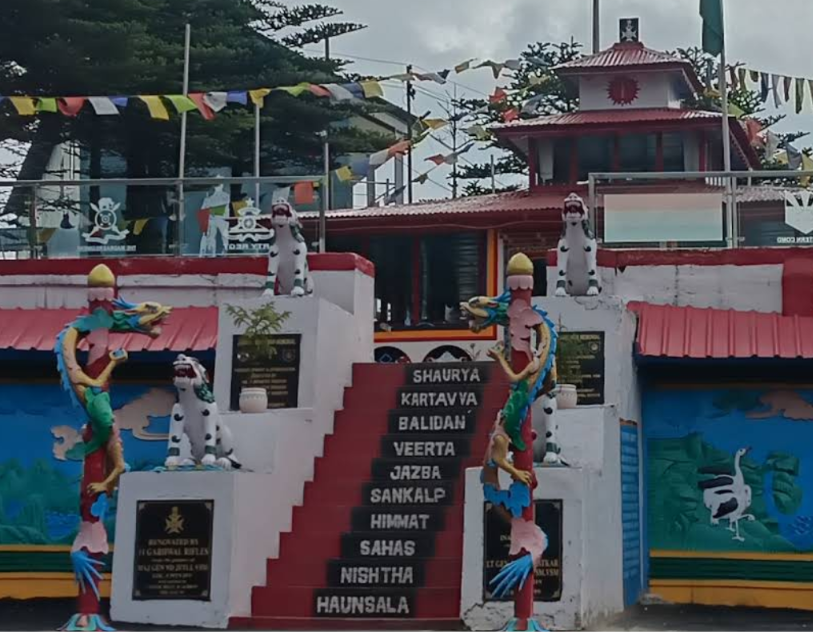
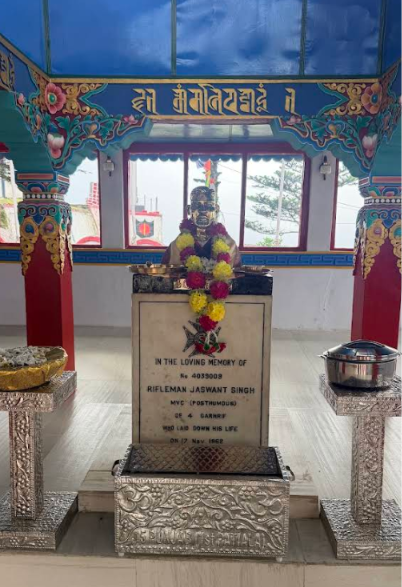
Perhaps the most powerful part of this story is not whether every detail can be proved. It is that a young soldier’s courage left such a deep impression that people found it impossible to imagine him simply walking away from his post.
The legend of Jaswant Singh Rawat has endured because it captures something every infantryman understands: the duty to stand firm, protect comrades and hold the ground entrusted to him.
And woven into that legend are Sela and Nura — the two women whom folklore remembers as having stood beside him when the odds were overwhelming.
A Salute to the Infantry
This Infantry Day, Fauji Tales salutes Rifleman Jaswant Singh Rawat, MVC, the soldiers who fought alongside him, and every infantryman — serving, veteran or fallen — who has stood guard for India.
Their courage underpins the infantry’s proud tradition. Their sacrifices remind us that the ground we take for granted has often been defended at extraordinary cost.
The soldier may fall. His courage does not.
Do you know another lesser-known story of an Indian infantryman whose courage deserves to be remembered? Share it in the comments. Let us preserve these stories for the generations to come in Echoes of Bravery.
Note
Some images in this article are AI-generated and used for illustrative purposes. They are symbolic and do not depict real events or individuals.
Have a Story to Share?
Do you have any interesting incidents or anecdotes about life in the Indian Armed Forces? Please do share.
#InfantryDay #IndianArmy #JaswantSinghRawat #GarhwalRifles #ArunachalPradesh #FaujiTales