“Mountains do not forgive mistakes. In Kargil, they punished anyone who climbed after sunrise.”
The Twin Bump Raid remains one of the least-known yet most extraordinary actions of the Kargil War. Fought in broad daylight on the rugged heights of the Mushkoh Valley, it showcased exceptional courage, meticulous planning and the legendary fieldcraft of the Naga Regiment. At the heart of the mission was a young scout—Sepoy Imliakum Ao, Maha Vir Chakra—whose daring actions helped make the raid one of the most remarkable successes of Operation Vijay.
Every Mountain Has Its Own Rules
Every battlefield has its own character.
The deserts reward speed. The jungles favour stealth. The plains allow manoeuvre.
But the mountains write their own rules.
During the Kargil War of 1999, every infantry soldier understood one unwritten law before taking the first step uphill.
You climbed by night.
Not because darkness made the climb easier.
It didn’t.
The climb was steep, exhausting and often over loose rock at altitudes exceeding 15,000 feet.
But darkness concealed movement.
It denied the enemy a clear target.
It gave the assaulting soldier the best chance of reaching the objective alive.
When the first rays of sunlight touched the mountain, everything changed.
The soldier climbing the slope became the only moving object on an otherwise barren mountainside.
There were no trees.
No bushes.
No walls.
No cover.
Only rock.
And enemy machine guns waiting above.
That is why almost every major assault during Operation Vijay was launched under the cover of darkness.
Daylight meant death.
That is precisely what made the Twin Bump Raid one of the most extraordinary actions of the Kargil War.
A Mission That Could Not Wait
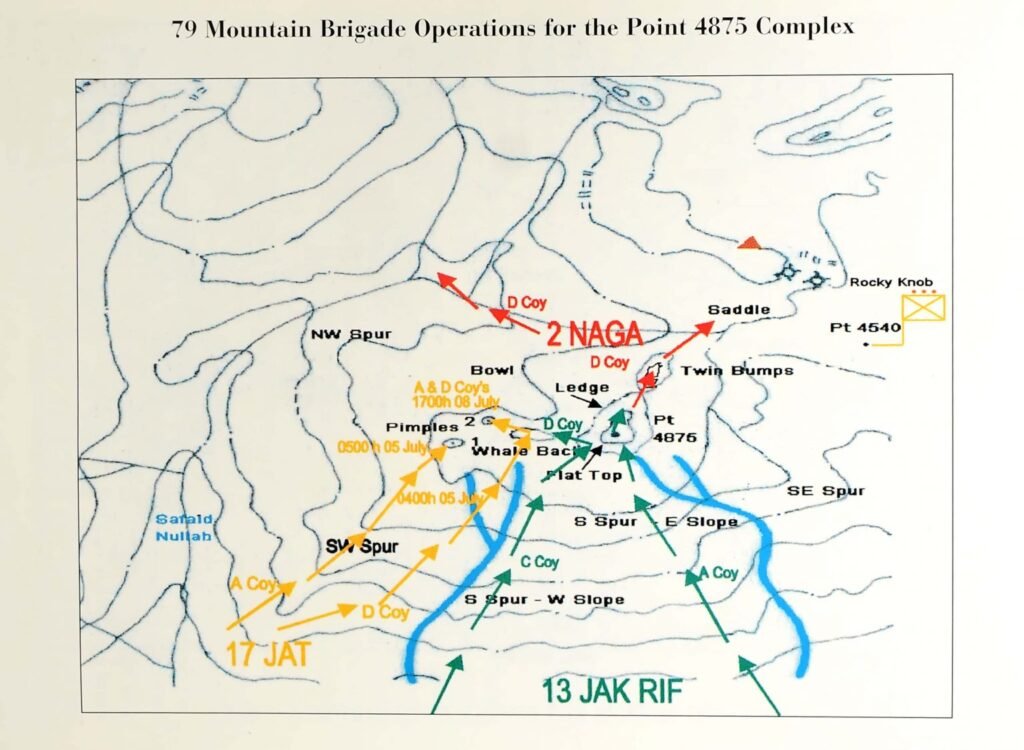
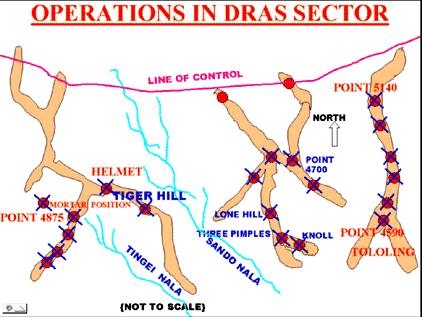
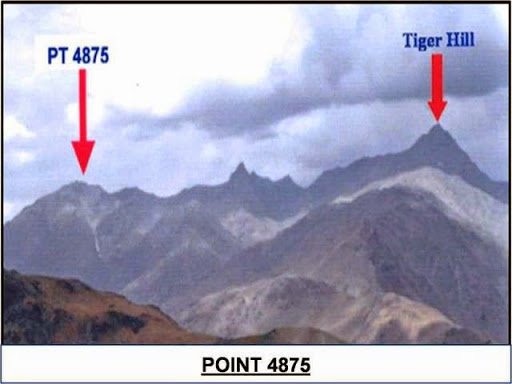
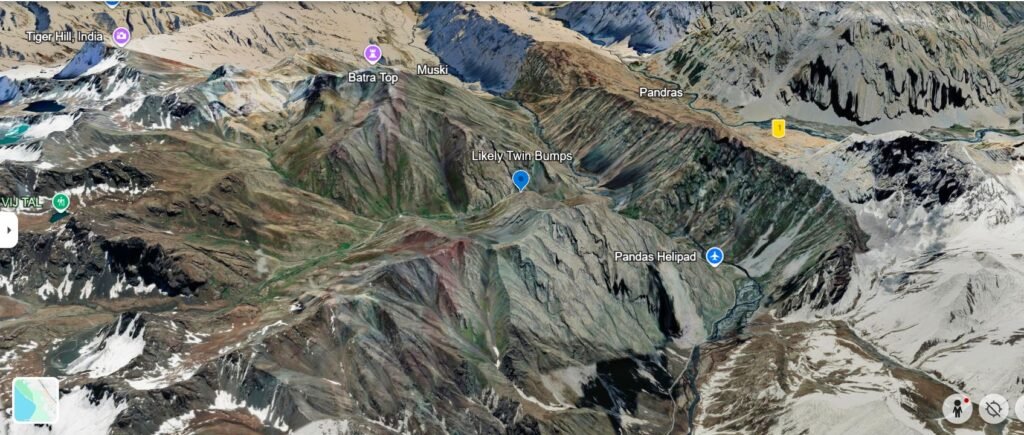
On 6 July 1999, during the operations to capture Point 4875, 2 Naga was deployed in the Mushkoh Valley. The battalion captured the strategically important Twin Bumps feature, an achievement that paved the way for the eventual capture of Point 4875.
Yet the battle was far from over.
A heavily defended Pakistani mortar position, located at an altitude of nearly 15,000 feet, continued to interfere with the operations of 79 Mountain Brigade. From this dominating position, enemy mortars threatened Indian troops and supported Pakistani defensive positions across the valley.
The mortar base had to be destroyed.
There was no luxury of waiting for another night.
Immediate action was ordered.
A reconnaissance patrol under Lieutenant Bakshi infiltrated the area and confirmed the exact location of the enemy mortar position.
A special raiding patrol was organised under Captain D. K. S. Sherawat.
Its success would depend on one man.
The Scout
Leading the patrol as its scout was a young soldier from Chuchuyimpang village in Nagaland.
His name was Sepoy Imliakum Ao.
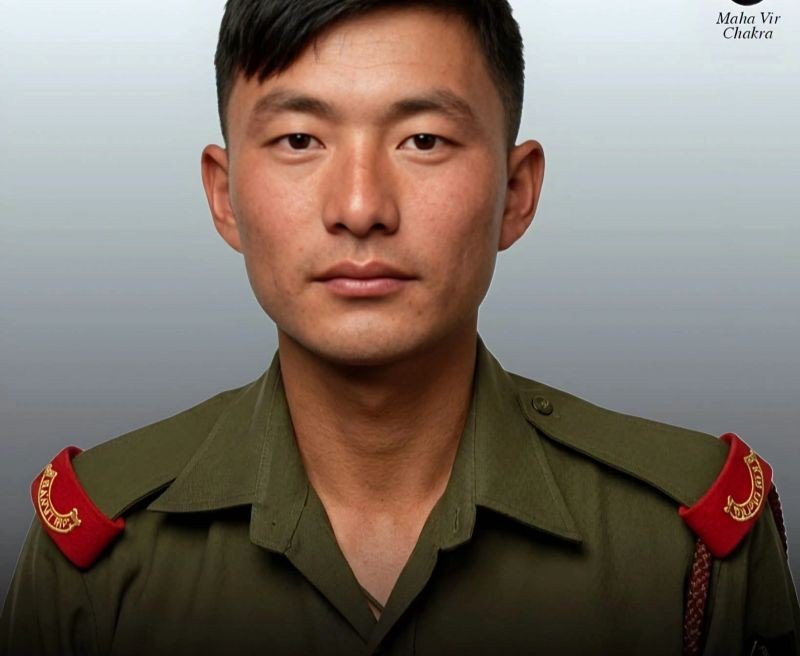
Like many young boys growing up in Nagaland, he admired the discipline and dignity of soldiers.
Joining the Army was not merely a career.
It was an opportunity to serve the nation while supporting his family.
His courage, patience and exceptional mastery of fieldcraft earned him one of the most demanding appointments in an infantry battalion—that of a scout.
Among infantrymen, the scout carries one of the most dangerous responsibilities in battle.
He does not merely walk ahead.
He leads.
He identifies the safest approach.
He detects enemy positions.
He guides the assault force to its objective.
He is the eyes of the patrol.
And very often…
the first man the enemy sees.
Recognising his exceptional fieldcraft, the Commanding Officer entrusted Sepoy Imliakum Ao with the most dangerous task of the mission—to silently eliminate the enemy sentries guarding the mortar position before the assault began.
When Daylight Meant Death
The raid began in broad daylight.
In mountain warfare, that was almost unthinkable.
There was virtually no natural cover.
The enemy occupied the dominating heights.
Every movement risked attracting machine-gun or mortar fire.
Yet the mission could not wait.
Crawling patiently across the barren mountainside, Sepoy Imliakum Ao displayed the exceptional fieldcraft for which the soldiers of the Naga Regiment are renowned.
Inch by inch, he closed the distance to the enemy’s outer perimeter.
Reaching the first sentry, he silently and soundlessly neutralised him.
Without raising the alarm, he moved forward again and eliminated a second sentry.
The success of the entire raid depended on those few moments.
Had even one sentry raised the alarm, Captain Sherawat’s patrol would have been forced to assault a fully alert and heavily defended mortar position in broad daylight.
Instead…
The way was open.
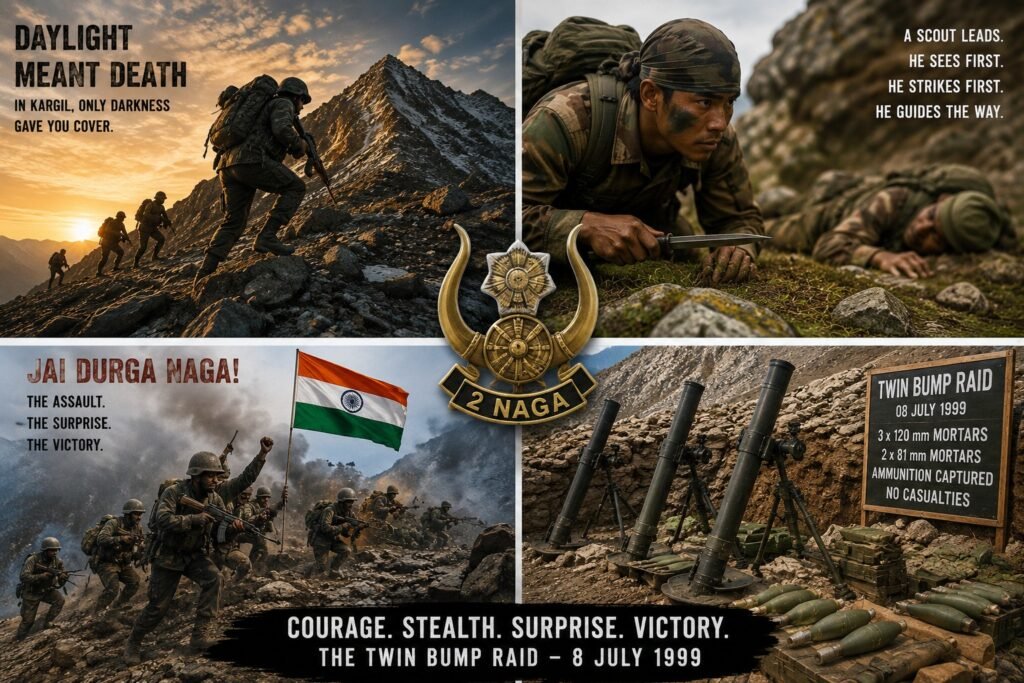
With the blood-curdling battle cry of “Jai Durga Naga!”, Captain Sherawat’s raiding party charged the stunned Pakistani defenders.
Within minutes, the mortar position had been overrun.
The raid was a remarkable success.
Five enemy soldiers were killed.
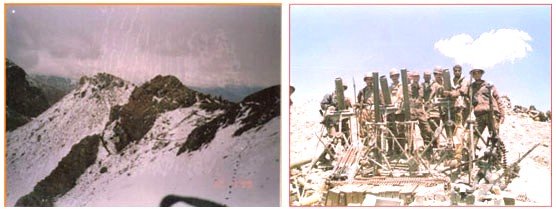
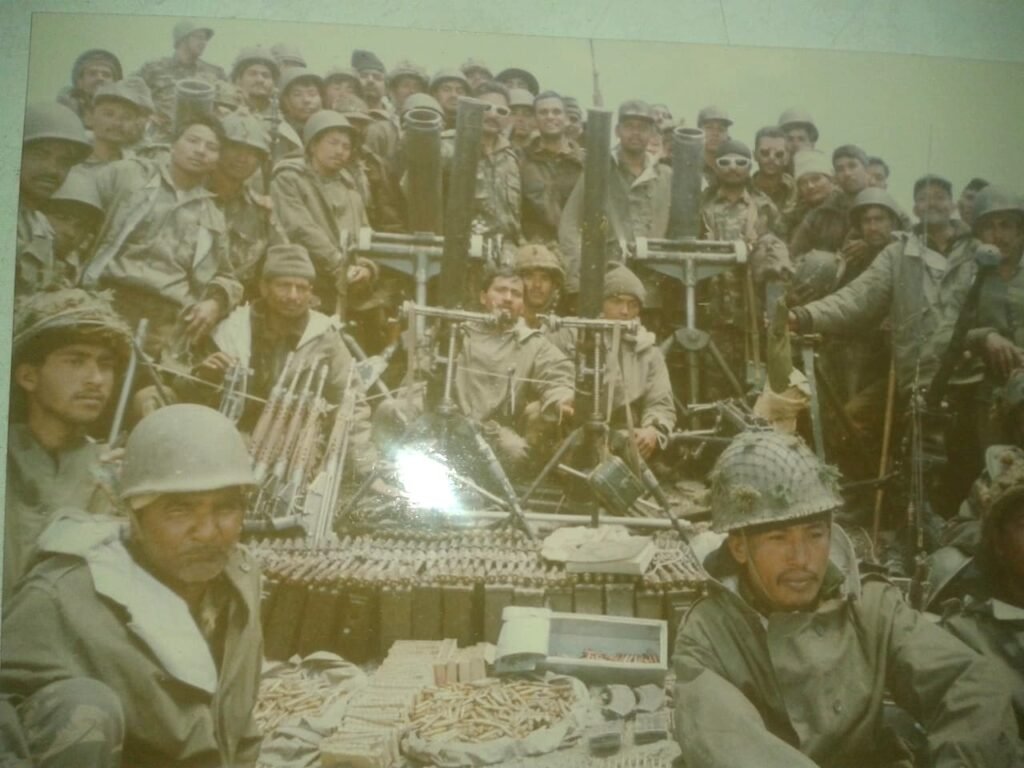
The patrol captured three 120-mm mortars, two 81-mm mortars and a large stockpile of ammunition—the only enemy mortars captured intact by the Indian Army during the Kargil War.
Most remarkably, the raiding patrol accomplished its mission without suffering a single casualty.
Documents recovered from the position revealed that this mortar base had been providing vital fire support to Pakistani forces operating across the Mushkoh Valley.
Its destruction significantly weakened the enemy’s ability to influence the battle.
For his conspicuous courage, determination and cool confidence, Sepoy Imliakum Ao was awarded the Maha Vir Chakra.
For his bold leadership of the raid, Captain D. K. S. Sherawat was awarded the Vir Chakra.
Voice of a Headhunter
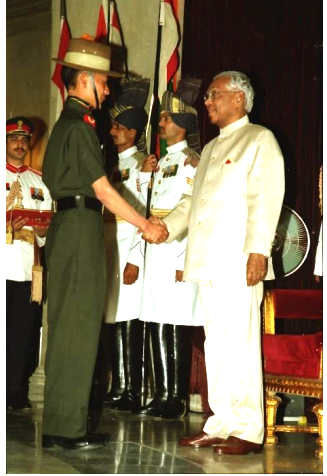
“Like most children, I too was impressed by the uniform and discipline of Army personnel. My teachers encouraged me to join the Army and serve our motherland. Being the eldest son in my family, I realised the Army would help me shoulder my responsibilities.”
— Subedar Imliakum Ao, Maha Vir Chakra
Those simple words reveal the man behind the medal.
There is no mention of heroism.
No desire for recognition.
Only responsibility.
Perhaps that is why soldiers like Imliakum Ao inspire us.
They never set out to become heroes.
They simply refused to let their comrades down.
Why Twin Bump Mattered
Military history remembers Tiger Hill.
It remembers Tololing.
It remembers Point 4875.
Yet campaigns are often shaped by lesser-known objectives whose capture quietly changes the course of a battle.
Twin Bump was one such objective.
Its capture removed a critical Pakistani mortar base, secured the operations of 79 Mountain Brigade, and paved the way for the successful capture of Point 4875.
Some victories change the course of a battle.
Others quietly make those victories possible.
Twin Bump belongs to the latter.
Captain’s Reflection
Every infantry officer understands the importance of a scout.
When a patrol moves out, every soldier instinctively watches the man in front.
He carries no special privilege.
Only greater responsibility.
His judgment determines the route.
His instincts detect danger.
His courage inspires confidence in everyone following behind.
In the Army, medals recognise courage.
Soldiers remember trust.
Sepoy Imliakum Ao was entrusted with the most dangerous task of the mission because his commanders knew he possessed the fieldcraft, discipline and courage to accomplish it.
On that July morning in 1999, he justified that trust.
The official Army account remembers his determination, grit, cool confidence and raw courage.
Those words describe more than one soldier.
They describe the finest traditions of the Naga Regiment and the Indian Army.
The Legacy of Trust
History remembers generals.
Battlefields remember scouts.
Because when an assault begins, every soldier watches the man in front.
On that July morning in the Mushkoh Valley, Captain Sherawat entrusted the success of his mission to one young scout.
Sepoy Imliakum Ao justified that trust.
He walked ahead.
His comrades followed.
The mission succeeded.
More than twenty-five years later, the mountains remain unchanged.
Anyone who has stood there instinctively understands why soldiers preferred to climb in darkness.
That is precisely why the Twin Bump Raid deserves to be remembered.
Not because it was the biggest battle of the Kargil War.
But because it demonstrated what disciplined leadership, meticulous planning, absolute trust and extraordinary courage can achieve—even when daylight itself seemed to favour the enemy.
March Further
Every gallantry award has a story behind it.
If the story of Sepoy Imliakum Ao, MVC inspired you, these resources offer deeper insights into the Twin Bump Raid and the Kargil War. Dont miss out on checking the Fauji Tales Kargil reading List.
Please click on the pic below for the list.

🤝 Continue the Legacy – Share it
If this story resonated with you:
✓ Share it with a veteran, serving soldier or military history enthusiast.
✓ Introduce a young reader to India’s military heritage.
✓ Follow Fauji Tales for more stories from India’s Armed Forces.
Because military memories live on only when they are shared.
Echoes of Bravery
Some mountains are remembered for the battles fought upon them.
Others are remembered for the courage it took simply to climb them.
On the heights of Twin Bump, a young Naga scout walked into broad daylight so that others could follow.
That is why his story deserves to be told.
“When daylight meant death, one scout led the way.”
Note
Some images in this article are AI-generated and used for illustrative purposes. They are symbolic and do not depict real events or individuals.
Have a Story to Share?
Do you have any interesting incidents or anecdotes about life in the Indian Armed Forces?